
Preface
As a practitioner in the field of hydrogen energy, I have experienced from the enthusiasm when I first entered the industry to the confusion and challenges in the middle, and now to the rationality and firmness. The growth and tempering along the way have made me think more deeply about the future of the hydrogen energy industry. After backing to the basic of analysis and personal research, I firmly believe that “Building a Power to X green energy system” is the only way for the hydrogen energy industry to prosper. Here, I would like to share my insights and look forward to discussing with more like-minded people to jointly promote the fast lane of healthy development of the hydrogen energy industry.
- Global warming challenges and responses
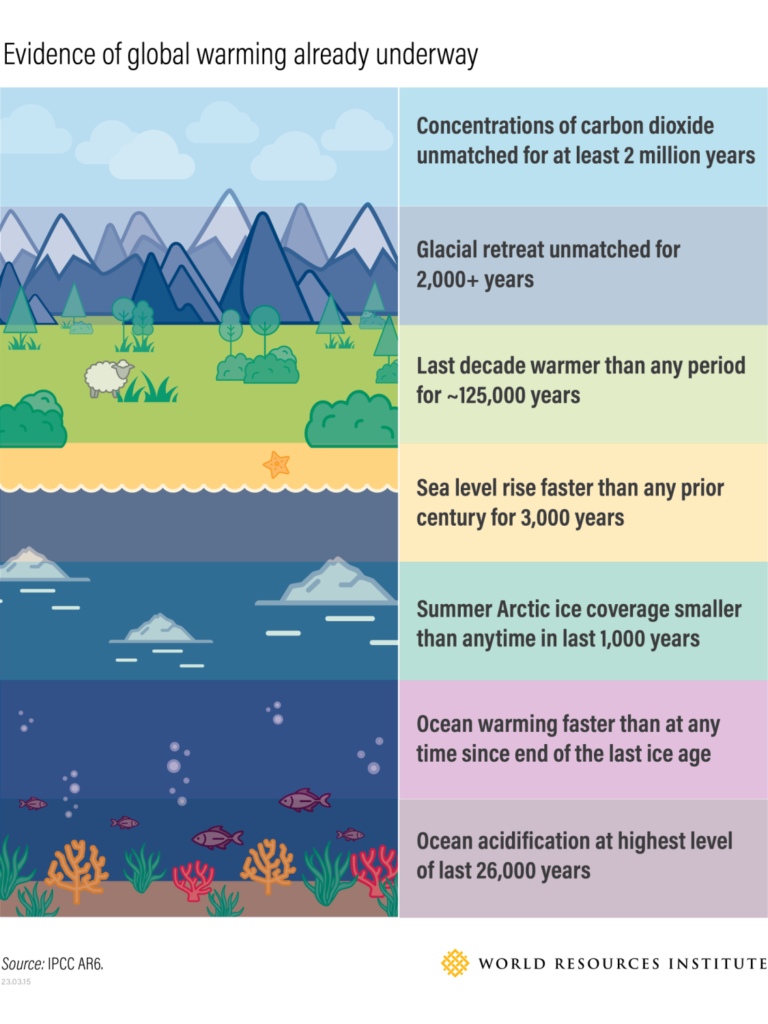
According to the comprehensive report “Climate Change 2023” released by the United Nations Intergovernmental Panel on Climate Change (IPCC), the global temperature has risen by 1.1 ° C, and all regions are facing unprecedented climate system changes, including rising sea levels, frequent extreme weather, and accelerated melting of sea ice. These changes pose severe challenges to the global health system, food production, and ecological environment. In response to this crisis, the Paris Agreement was born in 2015, and countries pledged to control the global average temperature increase within 2 ° C and strive to move towards the temperature control target of 1.5 ° C.
However, achieving this goal will not be easy. Under the 1.5 ° C temperature rise path, the world needs to achieve net zero carbon dioxide emissions by the middle of this century. But existing and planned fossil fuel infrastructure will bring up to 850 billion tons of carbon dioxide emissions, far exceeding the limit of 510 billion tons. As a result, by 2050, global coal use needs to be reduced by 95%, oil by 60%, and natural gas by 45%, while vigorously promoting and applying emission reduction technologies.
2. The dilemma of hydrogen “greening”
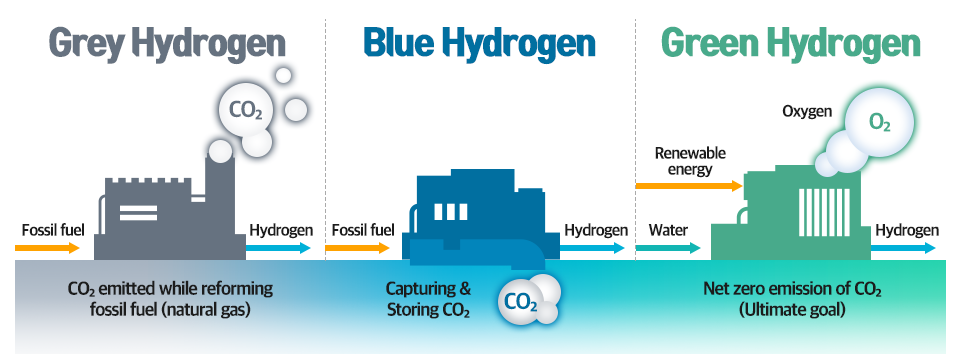
Hydrogen energy is hailed as the ultimate clean energy and has significant emission reduction effects in fields such as energy, industry, and transportation. However, the current hydrogen production mainly relies on fossil fuels, which makes hydrogen not “green”. According to the data of the International Renewable Energy Agency (IRENA), the total global hydrogen production in 2022 is about 95 million tons, of which more than 99% is produced from fossil fuels. In order to play the role of hydrogen energy in reducing carbon emissions, It is necessary to completely change the hydrogen production method mainly based on fossil fuels and build a hydrogen supply system mainly based on Renewable Energy.
According to IRENA’s estimate, By 2050, the world needs to consume about 520 million tons of clean hydrogen per year, of which 94% is green hydrogen. The installed capacity of electrolyzers for green hydrogen production needs to reach 5722GW, and by 2030, the mid-term goal of 428GW needs to be achieved. However, as of May 2024, the global installed capacity of electrolyzers is only 1.75GW. This is an extremely large gap compared to the mid-term goal of 2030, not to mention the long-term goal of 2050. This huge gap indicates that the hydrogen energy industry needs to achieve explosive growth to meet future demand.
3. The contradiction and dilemma of the hydrogen energy industry
Despite the huge demand at the macro and strategic levels, the hydrogen energy industry is facing a dilemma of ice and fire. On the one hand, there is a huge unmet demand in the electrolytic cell market ; On the other hand, some green hydrogen projects have been terminated or suspended internationally, and domestic hydrogen energy industry companies are struggling to survive in the gap.
The reasons for this contradiction include insufficient demand for green hydrogen, high cost, immature industrial chain, and high technical risks. But the deeper reasons are:
One is that although countries have reached a consensus on carbon reduction and signed the Paris Agreement, the agreement emphasizes nationally determined contributions and is a “soft law” regulation under a “hard law” environment. Driven by short-term economic or political interests, countries often overlook their commitments to carbon reduction. According to the IPCC AR6 comprehensive report, trillions of dollars are still invested in high-carbon emission industries, such as new coal production capacity, and investment in clean energy is still far from sufficient.
The second is that the hydrogen energy industry is still in the early stage and needs a long period of time to gradually develop. The industrial chain is too long, and any problem in any link will hinder the development of the industry. The hydrogen energy industry is currently in a stage of wild growth and individual struggles. However, the attributes and historical positioning of hydrogen energy determine that the hydrogen energy industry is a global industry that requires ecological cooperation.
In response to these issues, I believe that hydrogen energy should be systematically considered and planned in the context of the entire energy transition. The concept of Power to X should be given full attention by hydrogen energy practitioners. Building a Power to X hydrogen-based green energy system based on Renewable Energy is the ultimate way out for the hydrogen energy industry.
4. Power to X: The Future of the Hydrogen Industry
Power to X refers to the conversion of Renewable Energy power generation into hydrogen through hardware systems with electricity-to-hydrogen as the core, and combined with subsequent chemical processes to generate green bulk chemical products, such as green ammonia, green methane, green methanol, green synthetic fuels, etc. This concept integrates the development of the hydrogen energy industry into the transformation of new energy, providing clear development direction and guidance for the hydrogen energy industry.